
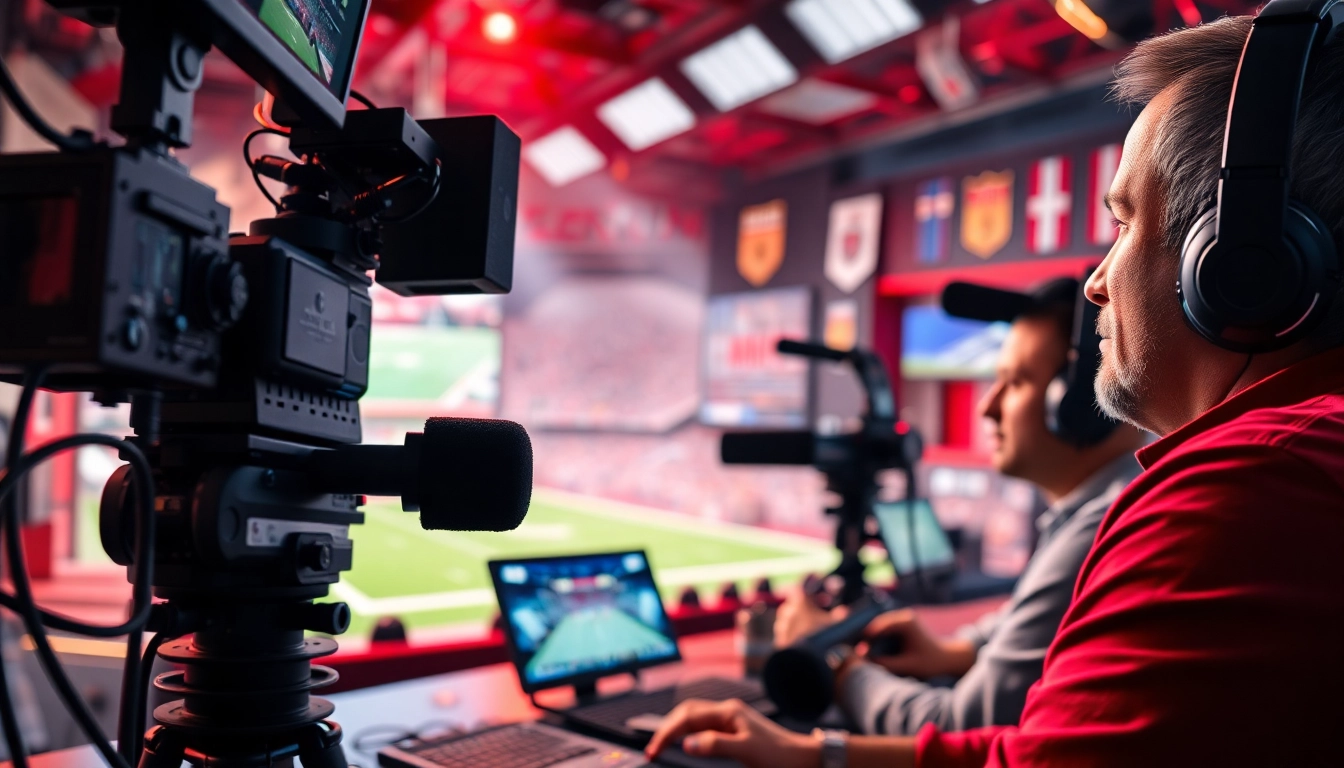
Understanding Sports Broadcasting
Definition and Importance of Sports Broadcasting
Sports broadcasting refers to the production and dissemination of live or recorded sports events through various media channels, including television, radio, and internet platforms. This industry serves a broad audience, from casual fans to dedicated sports enthusiasts. The significance of sports broadcasting lies in its ability to bring people together, regardless of geographical boundaries, to share in the thrill of competitive sports. It plays a crucial role in enhancing the visibility of sports, promoting athletic talent, and generating substantial revenue through advertising, sponsorship, and subscriptions. Moreover, with the growing inclination of audiences toward digital content, understanding the intricacies of Sports Broadcasting is essential for both aspiring and established professionals in the field.
Types of Sports Broadcasting Formats
There are several formats of sports broadcasting, each catering to different audience preferences and technological advancements. These include:
- Live Telecasts: Traditional format, providing real-time coverage of events.
- Recorded Broadcasts: Highlights and replays that allow audiences to see crucial moments post-event.
- Streaming Services: On-demand content available through platforms like mobile apps and websites.
- Radio Broadcasting: An audio-only format that engages listeners through commentary and analysis.
- Social Media Live Feeds: Instant updates and interactive content shared through platforms like Twitter and Instagram.
Each format serves to enhance audience engagement, catering to the diverse consumption habits of fans today.
Key Roles in Sports Broadcasting
The successful delivery of sports broadcasts involves a talented team of professionals. Some key roles include:
- Commentators: Provide live commentary, helping viewers understand the game's dynamics.
- Producers: Oversee the broadcast's technical aspects, ensuring smooth delivery and content flow.
- Cameramen: Capture live footage from various angles, enhancing visual storytelling.
- Analysts: Offer expert insights and breakdowns, adding depth to the viewing experience.
- Graphic Designers: Create visually engaging graphics and stats that complement the broadcast.
These roles work collectively to create a seamless and entertaining viewing experience for the audience.
Technology in Sports Broadcasting
Emerging Technologies Transforming Sports Broadcasting
The landscape of sports broadcasting is rapidly evolving with the inclusion of emerging technologies. Innovations such as augmented reality (AR), virtual reality (VR), and artificial intelligence (AI) are reshaping how audiences consume sports content. AR can enhance live broadcasts by overlaying information about player stats and game-related data in real time. VR provides immersive experiences, allowing viewers to feel as though they are part of the event. AI algorithms analyze viewer preferences to tailor content recommendations, resulting in a more personalized viewing experience. Together, these technologies not only enhance the engagement of existing fans but also attract new audiences to sports programming.
The Role of Streaming Services in Sports Broadcasting
Streaming services have revolutionized the way audiences access sports content. Traditional cable subscriptions are declining as viewers increasingly opt for on-demand services. These platforms offer flexibility, allowing fans to watch their favorite teams live or catch up on highlights at their convenience. Moreover, the global reach of streaming services enables niche sports and events to gain visibility, further broadening the sports broadcasting ecosystem. Partnerships between sports leagues and streaming platforms continue to grow, emphasizing the importance of adapting to the digital age.
Equipment Essential for Effective Sports Broadcasting
Effective sports broadcasting relies on advanced equipment to deliver high-quality footage and sound. Essential gear includes:
- Cameras: Multiple high-definition cameras capture different angles and close-ups.
- Microphones: Professional microphones for clear audio capture, including lapel mics for commentators.
- Switchers: Video switchers help control which footage is broadcasted live, allowing for dynamic storytelling.
- Graphics Software: Programs used for creating real-time stats and graphics displayed during the broadcast.
- Streaming Devices: Equipment required to stream content online, ensuring a seamless viewing experience.
Utilizing cutting-edge equipment plays a pivotal role in maintaining the quality and engagement of sports broadcasts.
Content Creation Strategies for Sports Broadcasting
Creating Compelling Sports Content
To captivate audiences, content creators must focus on delivering quality sports programming. Key strategies include:
- Storytelling: Narrating compelling stories about teams, players, and pivotal moments to engage viewers emotionally.
- Highlight Real Moments: Focusing on extraordinary plays or events that resonate with sports fans.
- User-Generated Content: Encouraging audiences to share their experiences, integrating their perspectives into broadcasts.
- Expert Interviews: Featuring insights from athletes, coaches, and analysts to enrich the narrative.
These approaches not only enhance viewer engagement but also provide a deeper understanding of the sporting events.
Engaging the Audience During Live Broadcasts
Engagement is crucial during live sports broadcasts. Techniques to increase viewer interaction include:
- Live Polls: Incorporating polls during broadcasts to gauge audience opinions and reactions in real time.
- Social Media Integration: Encouraging live tweeting and sharing of moments through dedicated hashtags.
- Interactive Graphics: Utilizing graphics that allow viewers to explore statistics or player insights interactively.
- Fan Participation: Allowing fans to send in questions or comments to be addressed by commentators.
These strategies not only foster community among viewers but also give them a sense of participation in the event.
Utilizing Social Media in Sports Broadcasting
Social media is a powerful tool for sports broadcasters. It provides an avenue for real-time interaction, updates, and promotional activities. Best practices include:
- Real-Time Updates: Sharing live scores, highlights, and behind-the-scenes content during events.
- Engaging Content: Posting interesting polls, quizzes, and videos that encourage fan interaction.
- Collaborations with Influencers: Partnering with sports influencers to broaden reach and attract a diverse audience.
- Telling Unique Stories: Highlighting fan stories or community engagements can humanize the brand.
Social media strategies amplify the impact of broadcasts, drawing in viewers and enhancing brand loyalty.
Challenges in Sports Broadcasting
Dealing with Live Event Dynamics
Live sports events are notoriously unpredictable, presenting unique challenges for broadcasters. Issues such as unexpected injuries, weather conditions, or technical failures can disrupt broadcasts. To mitigate these challenges, broadcasters must have contingency plans in place, including backup equipment and trained personnel ready to respond swiftly to unexpected situations. Maintaining open communication between on-ground and broadcasting teams is crucial to ensure that any changes are communicated immediately to viewers.
Navigating Rights and Regulations
One of the most complex aspects of sports broadcasting involves navigating broadcasting rights and regulations. Licensing agreements dictate what content can be aired and in what regions, often leading to disputes or restrictions. Broadcasters must stay informed about legal changes and adhere to compliance standards to avoid costly penalties. Engaging legal teams with expertise in sports broadcasting can help navigate this intricate landscape.
Overcoming Technological Limitations
Technological advancements have significantly improved broadcasting quality, but limitations still exist. Bandwidth constraints can affect streaming quality, particularly during high-traffic events. Investing in reliable technology and infrastructure is crucial. Broadcasters should also continuously test their systems to ensure they can handle peak demands. Collaborating with technology providers can help ensure they remain at the forefront of broadcasting capabilities.
The Future of Sports Broadcasting
Innovations Shaping the Future of Sports Broadcasting
The future of sports broadcasting is being shaped by continuous technological innovations and changing consumer habits. Developments such as 5G networks will enhance mobile streaming capabilities, offering viewers high-definition content on the go. Drone technology is increasingly being used to capture aerial views of events, providing audiences with unique perspectives. Additionally, advancements in AI will lead to smarter content recommendations, improving viewer experiences. The integration of esports into traditional broadcasting is also on the rise, appealing to younger audiences and diversifying content offerings.
Predictions for Audience Engagement Trends
As viewer preferences change, sports broadcasters are likely to adopt more interactive elements to keep audiences engaged. Predictive analytics will become instrumental in understanding viewer behaviors, allowing for tailored content offerings. Virtual and augmented reality experiences will likely grow, offering viewers immersive experiences that traditional broadcasts cannot match. Engaging younger audiences will require additional efforts, focusing on content that resonates with their interests and consumes platforms they frequent.
Preparing for the Next Generation of Sports Broadcasting
The next generation of sports broadcasting will demand agile strategies that adapt to rapid technological advancements. Broadcasters need to invest in training their teams to utilize new technologies effectively and foster creativity in content approaches. Building strong partnerships with technology firms will be essential for seamless integration of innovations. By being proactive and receptive to change, broadcasters can navigate the evolving landscape and maintain a competitive edge in the industry.
Frequently Asked Questions
Q1: What are the key benefits of streaming sports broadcasts?
Streaming sports offers flexibility, allowing viewers to watch games anywhere, anytime, and usually includes on-demand content for catching up.
Q2: How do broadcasters manage advertising in sports broadcasts?
Broadcasters strategically integrate ads during natural breaks in games, often partnering with advertisers for sponsored segments or promotions.
Q3: What technology is crucial for high-quality sports broadcasting?
High-definition cameras, reliable streaming devices, and graphic design software are essential for producing engaging sports broadcasts.
Q4: How does social media influence sports broadcasting?
Social media amplifies reach, allows real-time interaction with fans, and provides platforms for sharing highlights and updates actively during events.
Q5: What challenges do broadcasters face during live sports events?
Challenges include unpredictable event dynamics, technical failures, and navigating complex broadcasting rights and regulations.